
How to Avoid Packaging Damage in Harsh Canadian Winters
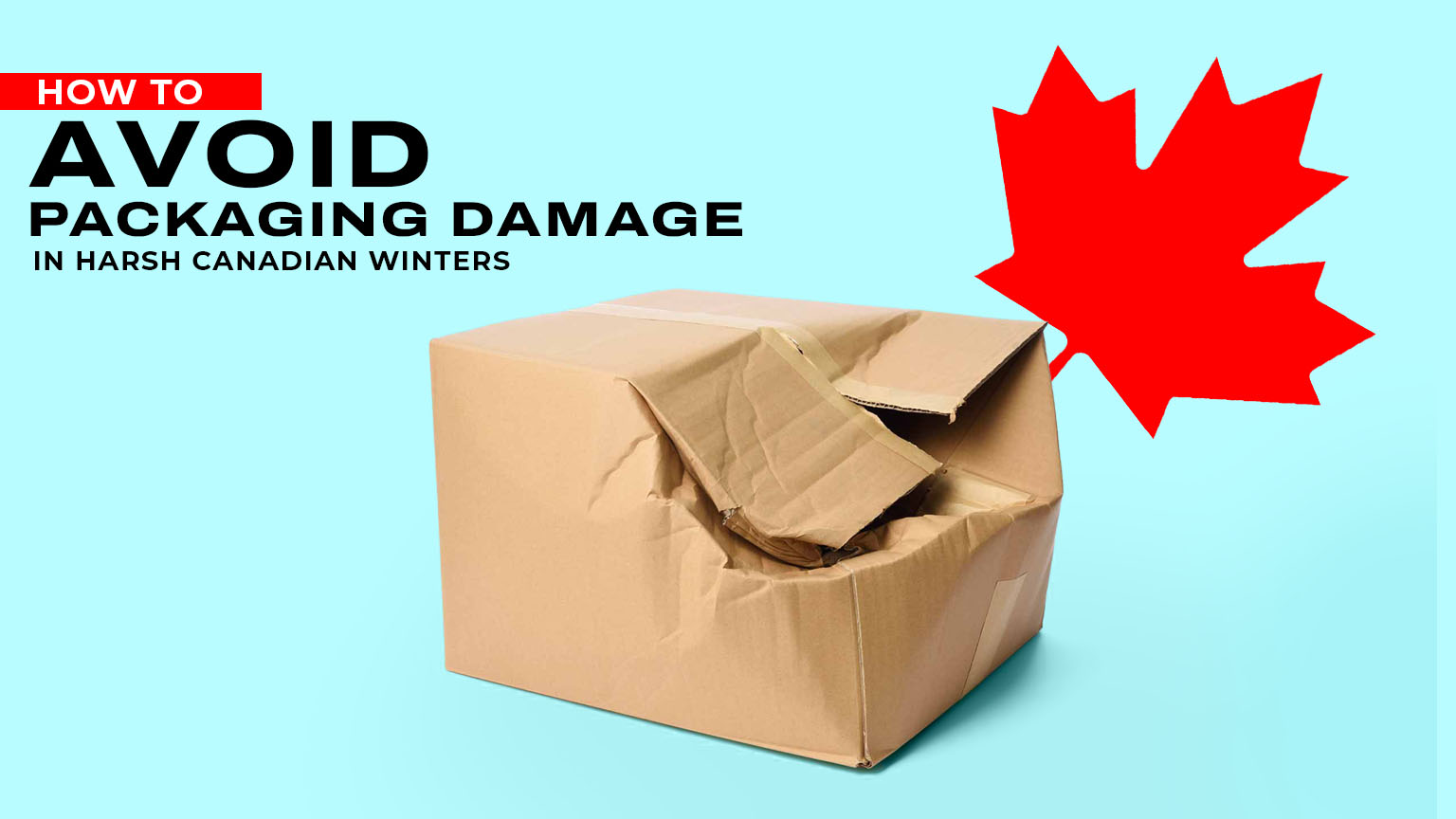
The Canadian market is very challenging for shipping products across the country. If you ship products, you already know how difficult it is in the winter. There are various factors, like cold temperatures and snow, that can cause severe packaging damage in winter. These factors can also delay deliveries, disappointing customers. This also dims their excitement for new products. So, the good news for the Canadian brand is the proper packaging. The mindful strategy and right material choices can keep your product safe. This will help you to make the product secure during the toughest months.
Let's show you how to survive the winter shipping season without any mess.
Why Harsh Canadian Winters Cause Packaging Damage
Canadian weather changes unexpectedly. The winters are unpredictable. Sometime the temperature is normal, and the next day it drops to minus. Also, the snowfalls occur regularly. So, these factors make it challenging to protect packaging in extreme cold. The extreme conditions directly affect packaging strength and product safety.
Some factors affect the packaging:
- Moisture from snow and slush weakens cardboard.
- Extreme cold makes materials brittle.
- Glue loses its adhesiveness.
- Condensation forms inside the packages during temperature changes
- Long transport times increase the risk of cold conditions.
- These are the everyday Canadian winter packaging challenges businesses face.
Common Types of Packaging Damage in Cold Weather
Winter in Canada becomes challenging for brands. They have to deliver products to their customers. The outside problems are bigger than the brand owner's imagination. Many businesses don’t notice until it’s too late.
1. Absorbs Moisture Through Boxes
Moisture is the biggest winter concern for product safety. Snow and slush can quickly soak into the cardboard, making it weak and damp. Due to this moisture, the box becomes weak and can collapse. It also gets cracks easily, making handling difficult.
2. Freezing and Cracking
Winter affects many materials. It makes them hard or brittle. The material can break or crack easily. With this effect, the box loses its shape and cannot withstand external pressure.
3. Condensation Damage
Cold and warm environments can cause condensation on packages. It occurs when a product moves from cold to warm temperatures. This trapped moisture can collect inside the box and damage sensitive items. This is a hidden problem that is often not noticed until delivery.
4. Expansion and Contraction Problems
Temperature changes affect the material's reaction. It expands in heat and contracts in cold. So, these temperature changes affect the seals. It becomes weak and opens effortlessly.
With so many risks, it is essential to use proper cold-weather packaging in Canada. It will bring significant ease to the brand. It also plays a vital role in product safety.
How Extreme Cold Affects Different Packaging Materials
The weather impacts the different materials. Different materials react differently to cold. So, it is crucial to know which materials are best suited for winter.
Cardboard Boxes: Cardboard is a good material, but it reacts differently. It quickly absorbs moisture, making it soft. As a result, it loses strength.
Plastic Packaging: Winter has devastating effects on the plastic material. It makes them hard, and it can break in seconds. It loses its flexibility and develops cracks, affecting its functionality.
Glass Containers: The glass containers are susceptible to thermal shock. A sudden temperature change can quickly affect glass containers.
Glue and Tape: Cold temperatures weaken the adhesive bond. It is also causing the seal to fail. The tape may not adhere properly to cold surfaces, and the adhesive may become brittle. This makes the packaging unsafe during handling and delivery. The product can fall out of the package at any time.
So, the right material choice is crucial for protecting products in winter. Select the material that can withstand freezing temperatures.
Ideal Materials for Winter-Resistant Packaging in Canada
Choosing the right materials is critical to safe shipping during Canada's harsh winters. Some materials perform better in cold, damp conditions and provide stronger protection for your products.
1. Corrugated Boxes
With multiple layers, the packaging can withstand cold weather. It does not lose its shape and strength. They retain their shape well and do not lose strength even when exposed to freezing and rough handling. This makes them one of the best choices for winter shipping.
2. Waterproof or Laminated Cardboard
The use of cardboard packaging with lamination makes it safe during winter. It creates a protective layer against outside damage. The lamination stops humidity and gives strength to the box. This prevents the box from getting wet or weak during transport. This is particularly useful when shipping in snowy or damp areas.
3. Cold-Resistant Material
Cold-resistant materials ensure the packaging is safe for products. With strong material, you can avoid damage during winter. The cold-resistant material gives you 100% safety. They do not crack or break when the weather gets extremely cold.
4. Good Adhesive Tapes
Good adhesive tape is essential for winter use. It is specially designed for Winter, adhering firmly when temperatures drop below zero. They create strong seals that won't come loose. It helps the package remain safe and closed during travel.
All these materials help protect products. This also ensures safety in cold weather.
Insulation and Protective Packaging Techniques for Cold Climates
The insulation helps protect products from damage. It will maintain the internal temperature and avoid moisture.
Thermal Liners or Foil Insulation
Products like cosmetics, food supplements, and temperature-sensitive items require liners. This will help to avoid the melting of sensitive products.
Bubble Wrap
Bubble wrap is an excellent option for securing a product during travel. It is lightweight and provides thermal protection. This helps avoid shocks caused by temperature changes. They help you deliver the product safely.
Kraft Paper and Cushioning
Kraft paper is an economical but effective alternative for insulation and shock absorption. This helps to fill voids inside the box, reduce movement, and add a layer of protection against cold air.
Double Boxing
Sometimes brands choose double boxes to provide high protection for packed items. The double boxing creates space that acts as insulation. This helps to maintain a stable internal temperature. So, you can freely move products in cold temperatures.
Moisture, Condensation, and Humidity Control in Winter Shipping
Humidity is your biggest enemy during the Canadian winter. Managing this can save hundreds of dollars in product returns.
Desiccant Packs
This will dry out the boxes from the inside. Desiccant packets help absorb excess moisture. They keep the environment dry and prevent condensation from damaging sensitive products.
Shrink Wrap Protection
Shrink plastic adds an outer shield that shuts out snow, slush, and mud during transport. This keeps the package clean and prevents water from entering the box.
Avoid Empty Air Pockets
More air means more condensation - use fillers to reduce space. The empty space inside the box indicates that moisture builds up quickly. Reducing air pockets with fillers helps reduce condensation and keeps products safer.
Use Waterproof Inner Packaging
This provides strong protection for your products. This creates a layer against the outside weather conditions. They protect the product even if the outer box gets wet during heavy snowfall or freezing rain.
Follow the above-mentioned moisture control technologies. This will secure your product shipment and protect your brand reputation across Canada.
Warehouse Storage Tips to Prevent Winter Packaging Damage
Product safety begins when you manufacture it. So, take this responsibility carefully and use these tips to get benefits.
- Keep fixtures away from cold floors as they can collect moisture.
- The suitable temperature for packaging can help avoid damage.
- With dry-opening points, you can avoid moisture that can damage the product.
- With proper knowledge and training, your team can minimize the risk of damage. Provide information on secure sealing glue and insert types.
Taking care of the inside of your warehouse will help you avoid many Canadian winter packing challenges before shipping begins.
Winter Packaging Best Practices for Shipping and Logistics
Here are simple but effective steps to strengthen your winter shipping process:
- Choose experienced carriers of Canadian winter routes.
- Add labels indicating "temperature sensitive" or "delicate" content.
- You can use inserts to keep the product secure during shipments.
- Avoid weekend shipping to reduce cold storage time.
- Reinforce all seams and edges with winter-proof tape.
- Use tracking to monitor delays caused by snow or storms.
The winter shipping packaging tips are constructive. It helps to deliver the products safely.
Final Thoughts
As you read above, the Canadian weather is very harsh. It significantly affects packaging and creates delivery problems. The damaging factors damage the product integrity and customer experience with your brand. Thus, brands now take initiatives to avoid all problems. If you want customized packaging solutions for your business, simply call to over packaging expert or mail us now. We know the right material choices for such weather conditions. Get our help and get ideal solutions.


